





In 2024, the American Psychological Association (APA) put out a policy statement advocating unobstructed access to any and all medical treatment meant to affirm a minor's transition to the opposite gender.
A year and a half later, it published a more public facing document that was far more cautious. The APA admitted that there is a “lack of long-term scientific evidence” in medically supporting a child’s gender transition.
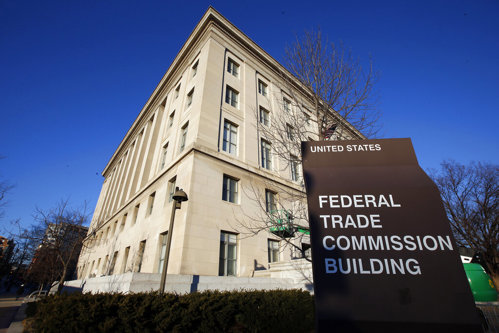
Dr. Kurt Miceli, chief medical officer of Do No Harm, says his organization is asking the Federal Trade Commission to open an investigation into the conflicting positions.
“We're urging the FTC to launch an investigation into whether the American Psychological Association has made false or unsubstantiated representations about pediatric medical transition,” Miceli states.
According to the letter sent to the FTC, Do No Harm claims the APA has played both sides of the gender debate without really changing its position, pointing out that their 2024 policy statement and their 2025 public statement contradict.
“The APA cannot have it both ways. These conflicting messages, which will influence how psychologists and other providers counsel children and families on irreversible medication interventions, are misleading to consumers, patients, and the FTC,” states the letter.
The real position of the APA, he says, is most likely reflected in the more radical document.

“That speaks to unobstructed access to medical gender-affirming interventions for kids, and it also lists non-affirmation as a form of mistreatment and equates states that have bans on gender-affirming care as engaging in human rights violations,” Miceli states.
Several medical groups in Europe have stopped endorsing medical intervention for confused minors and recommended the patient wait until they are adults before they start irreversible hormone or surgical treatment. Some U.S. medical groups like the American Association of Plastic Surgeons, Miceli says, have taken similar positions, but the American Psychological Association is not among them.
He's urging the FTC to step in.
“They can certainly take action, particularly if there is a potential for unfair or deceptive trade practices,” Miceli says.
The FTC can issue cease-and-desist orders and seek civil penalties in court.


